

How to Organize a Tote Bag Without Losing Everything Inside
Rizwana10 min read
Eight low-cost ways to make a roomy tote easy to use, even when it has few built-in pockets.
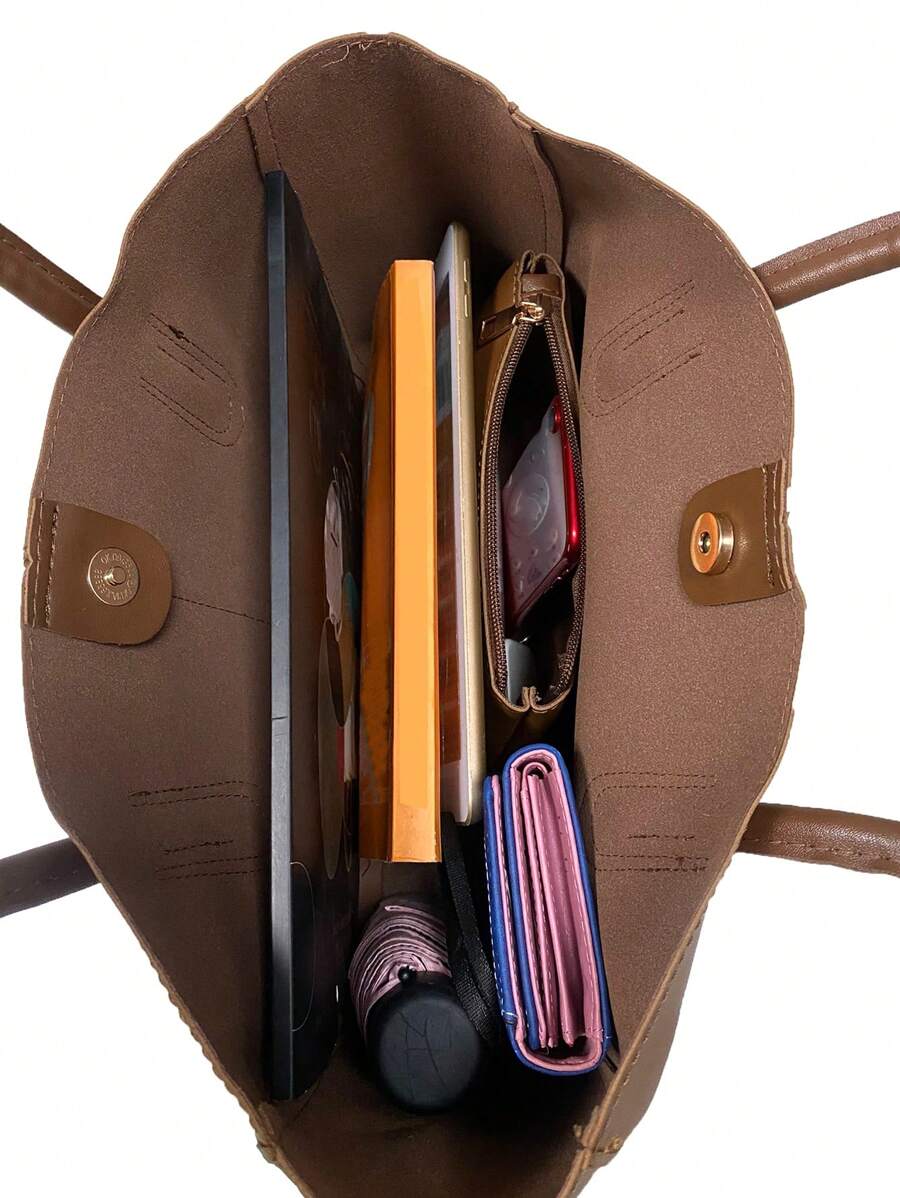
If your keys disappear beneath receipts, your earphones somehow become tangled around your charger, or you regularly discover items in your tote that you have not used for weeks, your bag probably does not need more space; it needs a better system. Learning how to organise a tote bag can make everyday routines noticeably easier, whether you are heading to university, commuting to work, shopping, or managing a busy day with children. A simple organisation method helps you find things faster and keeps your spacious tote from becoming a catch-all for everything you pick up.
The good news is that tote bag organisation does not require expensive accessories or a perfectly structured handbag. Recent organisation advice consistently recommends emptying the bag, grouping similar belongings, using pouches, keeping frequently used items accessible, and maintaining a regular reset routine. The goal isn't to make your tote look perfect every minute of the day; it is to give every item a logical home.
You may like to check out our Tote Bags collection before learning how to organize it.
1. Empty and Edit Your Tote
Start with the simplest step: take everything out. Put your belongings on a table or another clear surface so you can see exactly what has been living inside your bag. You may find old receipts, wrappers, duplicate cosmetics, loose coins, random stationery, or items that belong somewhere else. Emptying your tote gives you a clean starting point and makes it much easier to decide what deserves valuable space.
Now divide everything into three groups: daily essentials, occasional items, and unnecessary items. Your daily group might include your phone, wallet, keys, tissues, water bottle, and any items you genuinely use throughout the day. Occasional belongings can stay at home until you actually need them. This small editing process is one of the easiest bag organiser ideas because it prevents clutter before you even start arranging the contents.
Keep Only What You Actually Use
Ask yourself one simple question: “Would I notice if this was not in my bag today?” If the answer is no, take it out. A lighter tote is easier to carry, easier to search, and less likely to become disorganised. This matters because research involving female university students in Sindh found a high prevalence of shoulder pain associated with uncomfortable shoulder bags.
2. Create Zones for Easy Access
Think of your tote as a small room. You would not put your keys underneath a pile of books and then expect to find them instantly, so give your bag the same logic. Create simple zones based on how often you use an item rather than simply grouping everything by size.
Keep your phone, keys, wallet, transport card, and lip balm near the top or in an exterior or secure pocket. Items you use occasionally, such as makeup, stationery, or a power bank, can sit in the middle section. Things you rarely need during the day can go deeper inside. This arrangement means you can organise handbag essentials according to frequency, which saves time when you are rushing between lectures, meetings, errands, or school runs.
Put Everyday Essentials Within Reach
Use the “same place every time” rule. Keep your keys, wallet, and phone in designated spots so you can find them quickly. Store frequently used items near the top and less-used items deeper inside
3. Use Pouches and a Tote Insert
A large tote can be wonderfully spacious, but that space can also work against you. Instead of allowing small items to float freely, use separate pouches for different categories. You could have one small pouch for personal care, another for technology, and another for small everyday necessities such as tissues, hand sanitiser, or plasters.
A tote insert or organiser can take this idea further. If your tote is particularly roomy, an insert creates compartments for smaller belongings and gives the interior more structure. Clear or brightly coloured pouches can also make items easier to spot, while a zipped pouch adds another layer of security for valuables.
Make Switching Bags Easier
An organiser is especially useful if you change bags depending on your schedule. Instead of transferring ten separate items from one tote to another, move one organiser containing your main essentials. You can also use a smaller everyday pouch as a portable “mini bag” containing your wallet, keys, lip balm, and other basics. This turns your tote into a flexible system rather than a single container. If you are moving from a large university tote to a smaller evening handbag, the transition becomes much quicker.
4. Take a Minimal Approach
More space does not mean you need to fill it. One of the most effective ways to improve tote bag organisation is to carry fewer things in the first place. A compact cardholder may replace a bulky wallet, a small pouch may replace several loose cosmetics, and a foldable shopping bag may be more practical than carrying multiple spare bags every day.
Try creating a “core kit” that stays in your tote and adding only the items needed for that day's schedule. For example, if you are going directly home after university, you may not need your full makeup collection, extra stationery, or a heavy book you are not planning to read.
Rotate Seasonal Items
Your tote does not need to contain the same things throughout the year. In hot Pakistani summers, you may prioritise sunscreen, tissues, sunglasses, and a reusable water bottle. During cooler months, you might need a compact scarf, moisturiser, or other weather-appropriate items instead.
At the beginning of each season, empty your bag and review what you are carrying. This keeps the bag practical without turning it into a portable storage cupboard.

5. Build a Mom-Friendly Tote System
A mom tote bag has a different job from a typical everyday handbag because it often needs to serve both the mother and her children. The trick is not to carry every possible item “just in case.” Instead, create a compact children's pouch containing the essentials most likely to be needed during the day.
Depending on your child's age and routine, this could include tissues or wipes, a small snack, a water bottle, a spare nappy if needed, a compact change of clothes, plasters, and a small comfort item. Keeping these together prevents children's belongings from spreading throughout the entire tote.
Keep Children's Essentials Practical
Choose compact, multipurpose items wherever possible. A small reusable snack container can be more practical than several individually packed snacks, while a lightweight change of clothes can be folded into a small pouch. If you carry medicine or other health-related items for your child, keep them appropriately labelled and separate rather than loose in the main compartment.
Most importantly, do not allow the children's section to consume the entire bag. Heavy bags can place extra strain on the shoulder, particularly when carried on one side; medical guidance has highlighted the strain associated with carrying heavy loads on a single shoulder.
6. Organise a University Tote
For university-going girls, the best system separates study essentials from personal essentials. Keep notebooks, folders, or a tablet together rather than allowing them to mix with cosmetics, chargers, and loose stationery. If you carry a laptop, use a protective sleeve and position it securely so it does not move around inside the tote.
A simple university setup could include a laptop or tablet sleeve, one notebook or planner, a compact stationery pouch, a water bottle, a wallet, keys, earphones, and a small personal-care pouch. Check your timetable before leaving home and pack only what the day's classes actually require.
This approach is particularly useful because spacious university totes can quickly become heavy. A Pakistan-based study of female university students reported that 67.5% of participants experienced shoulder pain during activity, validating the importance of paying attention to comfort as well as organisation.
- Organise an Office Tote
An office tote works best when work items and personal belongings have clearly defined spaces. Keep your laptop or tablet in a protective compartment or sleeve, documents in a folder, and chargers and cables inside a small technology pouch. Your wallet, keys, cosmetics, and personal-care items should have their own area rather than sharing space with work equipment.
If you commute, create a small “workday pouch” containing your charger, mouse, earphones, USB accessories, and other technology essentials. This prevents cables from becoming tangled and makes it easier to move your equipment between home and office.
Remove lunch containers, receipts, unnecessary papers, and anything you will not need tomorrow. A regular decluttering habit helps prevent an everyday tote from becoming unnecessarily heavy and cluttered.
8. Create a Daily Reset and Checklist
The secret to learning how to organise a tote bag is not organising it once it is, but creating a routine that keeps it organised. Spend two or three minutes at the end of your day returning everything to its designated place. Throw away receipts and wrappers, remove anything that belongs at home, recharge your power bank if necessary, and check what you need for tomorrow.
Once a week, do a slightly deeper reset. Empty the tote completely, clean the interior if appropriate for the material, check your pouches, and reconsider anything you have been carrying without using.
Quick tote reset checklist
- Return misplaced items to their proper place.
- Refill genuinely necessary essentials.
- Check your tech pouch.
- Remove unnecessary weight.
- Adjust seasonal items.
- Pack according to tomorrow's schedule.
Conclusion
Learning how to organise a tote bag is about creating a system that fits your daily routine. Whether you are a university student, an office-going woman, or a mom, every item should have a purpose and a place.
Start by removing unnecessary items, creating simple zones with pouches, and keeping frequently used essentials within easy reach. This makes finding your keys, charger, wallet, or tissues much easier.
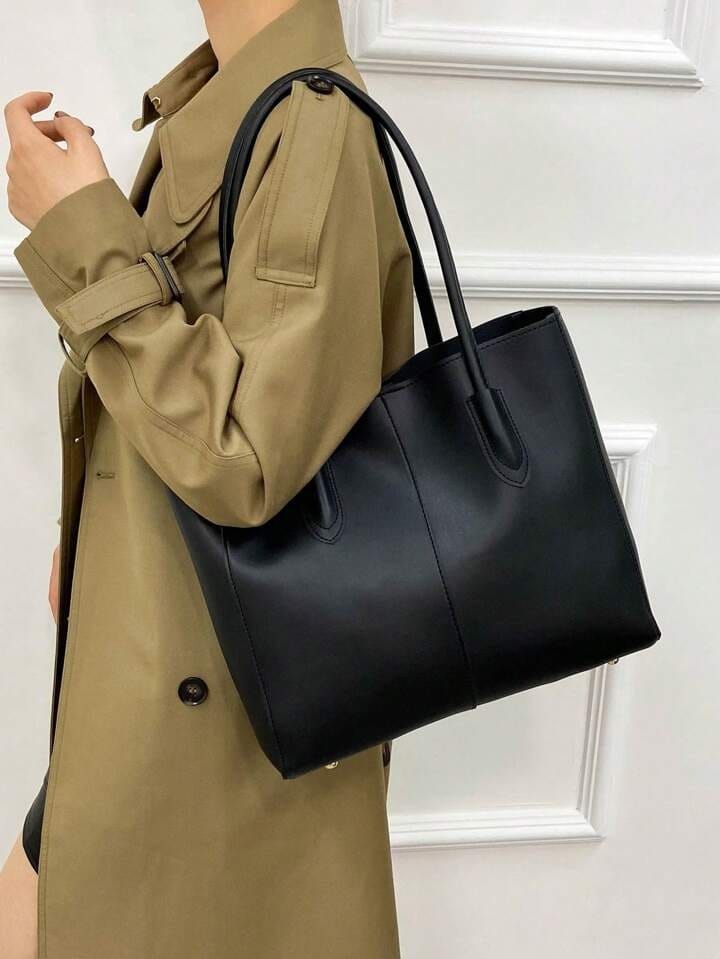
If your tote is difficult to organise, choose one with practical compartments, a suitable size, and comfortable handles.
FAQs
1. What is the easiest way to organise a tote bag?
The easiest method is to empty the bag completely, remove unnecessary items, group similar belongings, and give frequently used essentials a dedicated, accessible spot. Small pouches can then keep categories such as technology, cosmetics, and personal-care items together.
2. Do I need a tote bag organiser?
Not necessarily. A tote organiser is useful when your bag has one large compartment and small belongings frequently disappear inside it, but simple pouches can provide a similar organisation system without adding much bulk.
3. How can I organise handbag essentials without making my tote heavy?
Start by carrying only what you genuinely need for the day. Choose compact versions of frequently used products, remove duplicates, and avoid packing items simply because there is spare space. Keeping the load reasonable is also important for everyday carrying comfort.
4. What should university girls keep in an organised tote?
A practical university tote might contain a laptop or tablet in a protective sleeve, the day's notebooks, a compact stationery pouch, a water bottle, a wallet, keys, earphones, and a small personal-care pouch. Pack according to your timetable instead of carrying every study item every day.
5. How often should I reset my tote bag?
A quick daily reset takes only a few minutes and helps prevent clutter. A deeper weekly reset is useful for removing old receipts, cleaning the interior, reviewing pouches, and changing seasonal or schedule-specific items.
Ready to find yours?
Free delivery over Rs 5,000, cash on delivery, and Rs 200 off when you pay online.
Shop the collection